
Leave a Comment / Uncategorized / By vanshika.bjain2009@gmail.com
In today’s digital world, simply having a website is not enough. If your audience can’t find you online, your business is missing out on valuable opportunities. This is where Search Engine Optimization (SEO) comes into play. SEO optimizationthe process of improving your website’s visibility on search engines like Google, helping you attract more organic (unpaid) traffic.
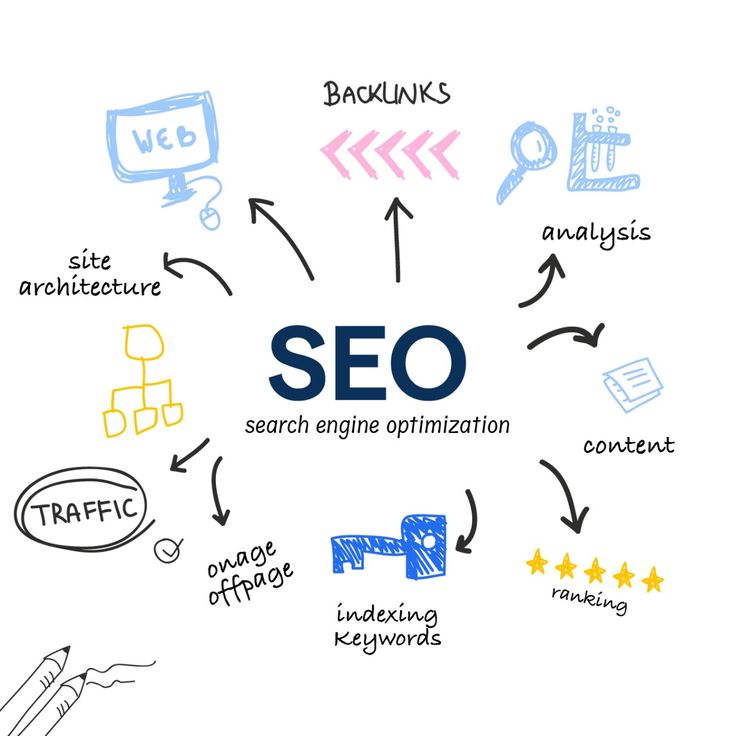
Understanding the Basics of SEO Optimization
SEO optimization involves optimizing your website so that search engines can easily understand your content and rank it higher for relevant searches. When someone searches for a service or product you offer, your goal is to appear on the first page of results.
There are three main types of SEO:
- On-Page SEO – Optimizing content, keywords, headings, and meta tags.
- Off-Page SEO – Building backlinks and improving domain authority.
- Technical SEO – Enhancing website speed, mobile-friendliness, and structure.
Importance of Keywords in SEO Optimization
Keywords are the foundation of SEO. These are the words and phrases users type into search engines. Choosing the right keywords helps your content reach the right audience.
There are two types of keywords:
- Short-tail keywords (e.g., “SEO”) – High competition, broad search.
- Long-tail keywords (e.g., “best SEO tips for beginners”) – Lower competition, more targeted.
Using relevant keywords naturally in your content improves your chances of ranking higher without making your content look forced or spammy.
On-Page SEO optimization You Should Use
On-page SEO focuses on optimizing elements within your website. Some effective techniques include:
- Writing high-quality, valuable content
- Using proper heading structure (H1, H2, H3)
- Adding meta titles and descriptions
- Optimizing images with alt text
- Maintaining keyword density naturally
A well-optimized page not only ranks better but also improves user experience.
The Role of Content in SEO
Content is the backbone of SEO. Search engines prioritize websites that provide useful, relevant, and engaging information. Creating blogs, articles, and landing pages regularly helps improve your website’s authority.
Good content should:
- Solve user problems
- Be easy to read
- Include relevant keywords
- Be updated regularly
Remember, quality always matters more than quantity.
Off-Page SEO and Backlinks
Off-page SEO involves activities outside your website that impact your rankings. The most important factor here is backlinks—links from other websites pointing to your site.
Search engines see backlinks as a sign of trust and credibility. The more high-quality backlinks you have, the higher your website is likely to rank.
Ways to build backlinks:
- Guest posting
- Social media sharing
- Business directories
- Collaborations
Technical SEO: The Hidden Power
Technical SEO ensures your website runs smoothly and is easy for search engines to crawl. Even great content won’t rank if your website has technical issues.
Key factors include:
- Fast loading speed
- Mobile responsiveness
- Secure website (HTTPS)
- Clean URL structure
Improving these aspects enhances both user experience and search engine rankings.
Conclusion
SEO is not a one-time task but an ongoing process. It requires consistent effort, smart strategies, and continuous updates. By focusing on keywords, content quality, backlinks, and technical performance, you can significantly improve your website’s visibility and attract the right audience.
If done correctly, SEO can become one of the most powerful tools to grow your online presence and achieve long-term success.